Table of Contents
Not every tree problem requires removal, but some situations demand immediate action. Knowing when a tree has become dangerous can protect your home, family, and neighbours. Here's how to spot the warning signs.
1. Dead or Falling Branches
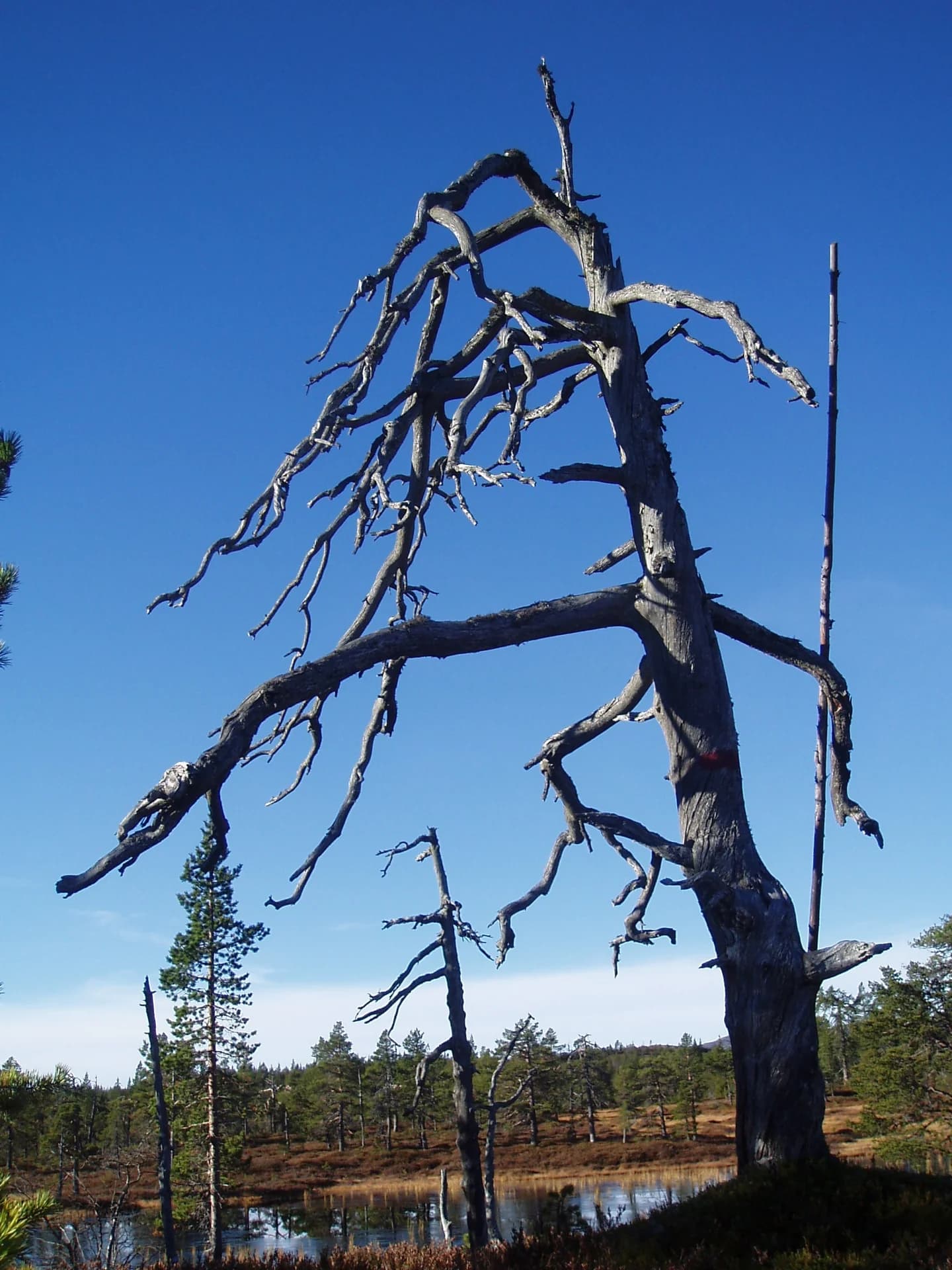
Dead branches are the most obvious sign of tree decline. If you notice large branches falling regularly, or significant portions of the canopy are bare while the rest is leafy, your tree may be dying from the top down.
What to look for: - Branches without leaves during growing season - Bark falling off branches - Branches that snap easily - Multiple fallen limbs after mild weather
2. Trunk Damage and Decay

The trunk is the tree's structural foundation. Cracks, cavities, or soft spots indicate internal decay that can cause sudden failure.
Warning signs include: - Vertical cracks in the trunk - Cavities or hollow sections - Fungal growth (mushrooms) at the base - Bark falling off in large sections - Sawdust at the base (indicates borers)
3. Root Problems
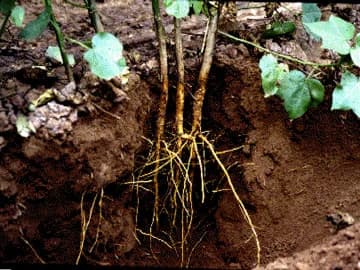
Root issues are harder to spot but equally dangerous. Damaged roots can't support the tree, leading to sudden collapse.
Signs of root problems: - Visible root damage from construction - Soil heaving on one side of the tree - Fungal growth near the base - Tree leaning suddenly (not gradual lean) - Recent excavation near the tree
4. Sudden Leaning
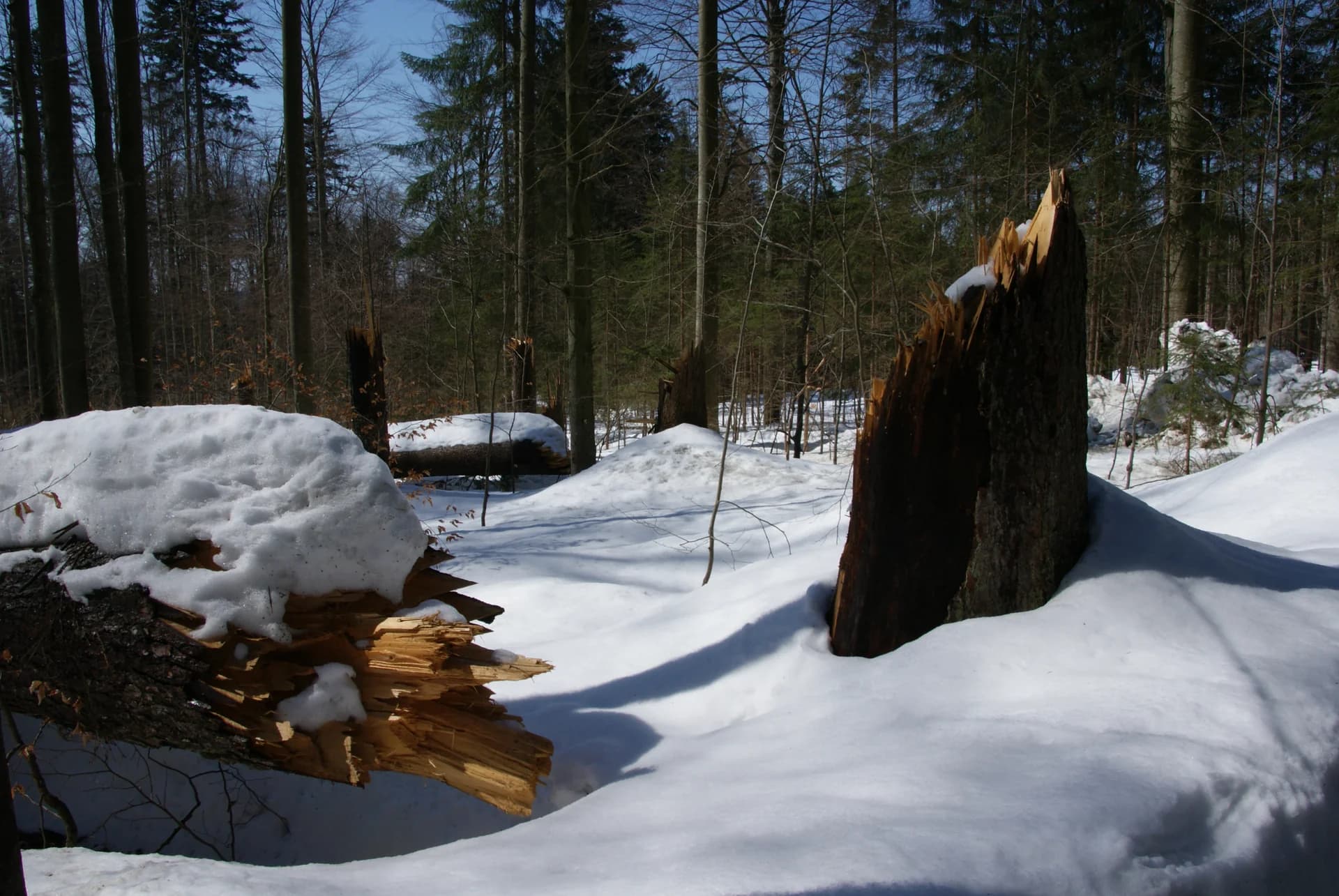
A sudden lean is a serious warning sign. Unlike trees that have grown at an angle over many years, a new lean indicates root failure or structural damage.
If your tree has suddenly started leaning, keep people away and call an arborist immediately. This is especially urgent after storms or heavy rain.
5. Too Close to Structures
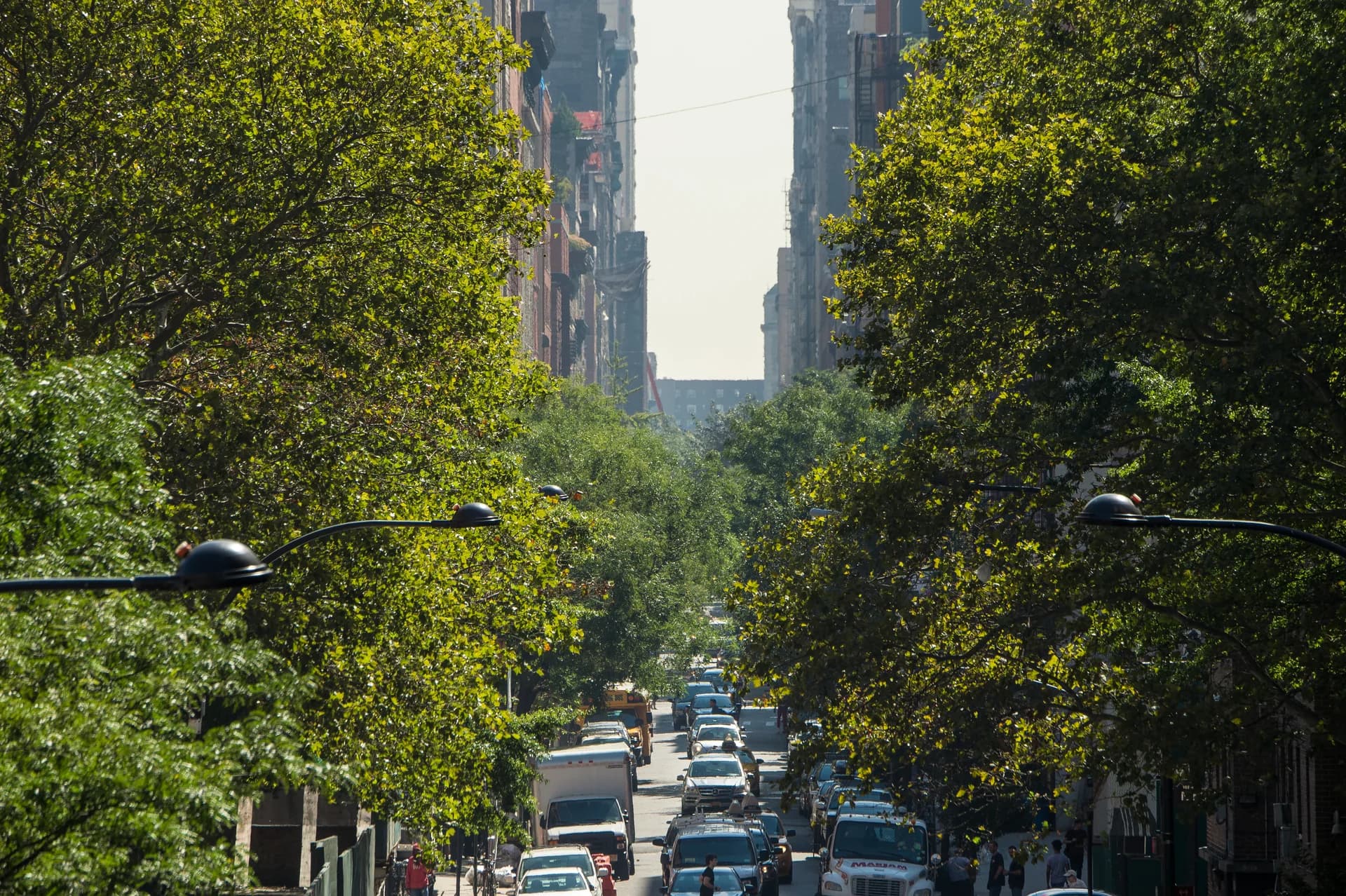
Sometimes a healthy tree simply grows too close to your house, power lines, or other structures. Warning signs include:
- Branches touching your roof
- Roots cracking foundations or driveways
- Tree blocking essential light
- Branches interfering with power lines
- Root intrusion into plumbing
6. Disease or Pest Infestation
Many tree diseases and pests can be treated, but severe infestations may require removal to protect other trees.
Common problems in Perth: - Borers (look for holes and sawdust) - Phytophthora (root rot) - Cankers (sunken dead areas) - Dieback in native species
7. Storm Damage
After severe storms, trees may look intact but have hidden structural damage. Have any storm-affected trees inspected by a qualified arborist.
Post-storm warning signs: - Split branches still attached - Exposed or lifted roots - Cracked or split trunk - Hanging branches caught in canopy
Conclusion
If you've noticed any of these warning signs, don't wait for the tree to fail. A falling tree can cause devastating damage to property and serious injury. Contact a qualified arborist for a professional assessment. In Perth, many councils require approval before removing significant trees, so get expert advice early.
Need Professional Tree Advice?
Our certified arborists are here to help with assessments, quotes, and expert tree care.
Call 0400 000 000Our Tree Services
Helpful Resources
Learn more about tree care and regulations from these trusted sources: