Table of Contents
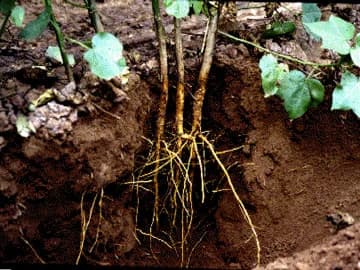
Tree roots are powerful forces of nature. While they're essential for tree stability and health, they can cause significant damage to Perth homes and infrastructure. Understanding how to identify root damage early and knowing your options can save you thousands of dollars and prevent structural problems. This guide covers everything Perth homeowners need to know about tree root damage.
Understanding How Tree Roots Cause Damage
Tree roots grow seeking water, oxygen, and nutrients, not with the intent to damage property. However, their natural growth patterns can conflict with human infrastructure.
Common mechanisms of damage:
Direct pressure damage: - Roots growing under structures lift and crack concrete - Expansion forces foundations apart - Root growth into cracks widens existing damage
Water extraction damage: - Roots remove moisture from soil - Clay soils shrink when dry - Foundations settle unevenly - Particularly problematic in Perth's reactive clay soils
Pipe infiltration: - Roots grow into small cracks seeking water - Fine roots multiply inside pipes - Eventually block drainage completely - Extremely common in older clay pipe systems
Signs of Foundation Damage from Tree Roots
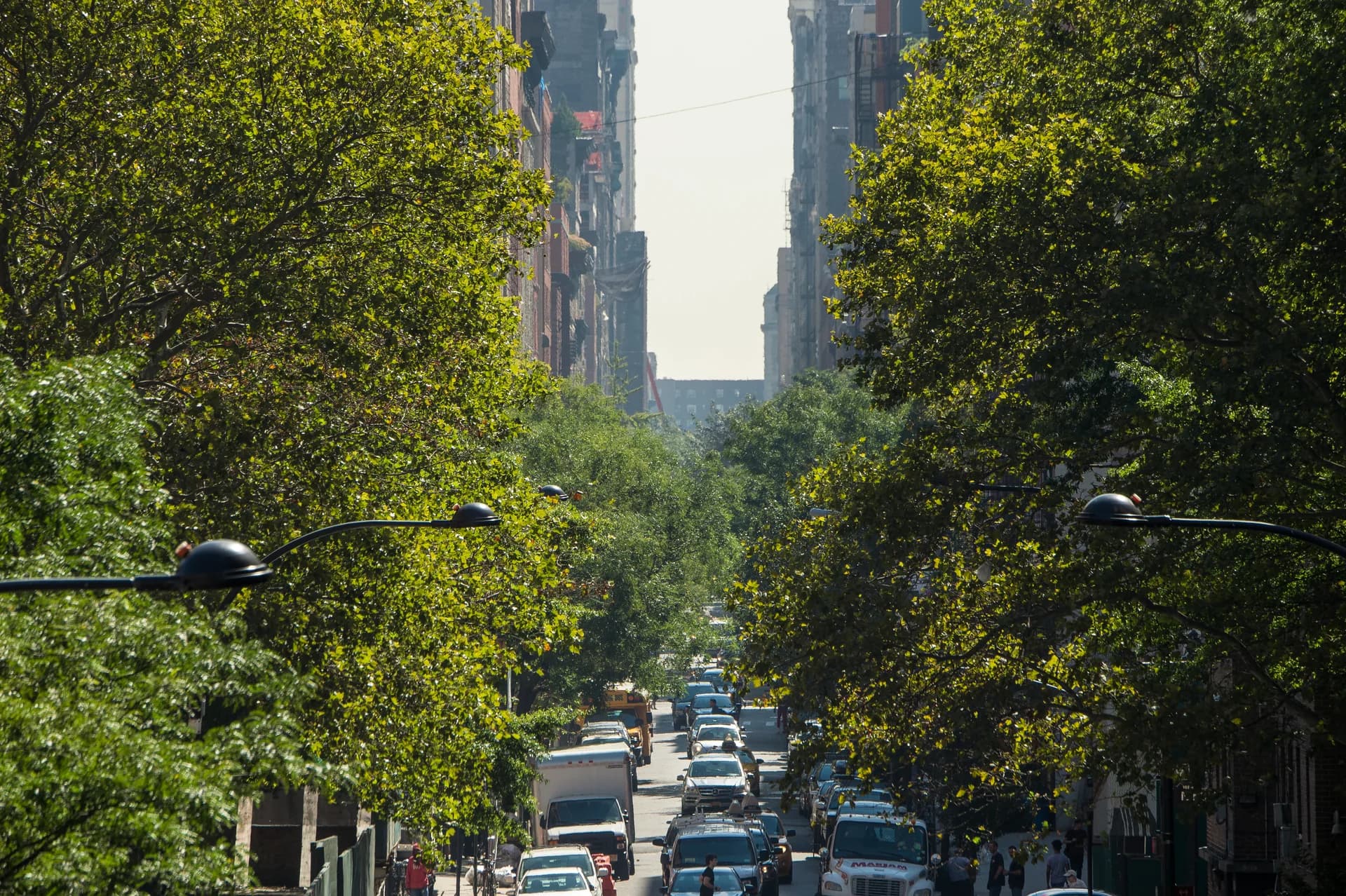
Foundation damage is serious and expensive to repair. Early detection allows for less invasive solutions.
Warning signs inside your home: - Cracks in walls, especially near corners and doors - Doors or windows suddenly sticking or not closing properly - Cracks in floor tiles or visible floor movement - Gaps between walls and ceiling or walls and floor - Cracks in brick mortar, particularly stepped patterns
Warning signs outside: - Visible cracks in foundation or concrete slab - Separation between foundation and house frame - Visible tree roots growing under house - Soil pulling away from foundation - Water pooling near foundation (poor drainage) - Bulging or lifted pavement near trees
In Perth's sandy and clay soils, foundation movement is particularly common during our dry summers when trees extract maximum moisture from soil.
Identifying Root Damage to Pipes and Drains

Pipe damage from tree roots is extremely common in Perth, especially in properties with older clay sewer pipes.
Symptoms of root-damaged pipes:
Drainage problems: - Slow-draining sinks, showers, or toilets - Gurgling sounds from drains - Frequent blockages requiring clearing - Multiple fixtures backing up simultaneously
Visible signs: - Unusually green or lush patches in lawn (sewage leak) - Sewer odors in yard - Sinkholes or depressions in lawn - Exceptionally healthy tree growth near sewer lines
Advanced problems: - Sewage backing up into house - Wet areas in yard without explanation - Foundation settling near sewer lines
Perth-specific issue: Many older Perth homes (pre-1980s) have clay sewer pipes, which are particularly vulnerable to root invasion. Tree roots can detect moisture vapor escaping from tiny cracks and grow toward the water source.
Driveway and Pathway Damage
Surface damage is the most visible form of root damage and often the first problem homeowners notice.
Common surface damage: - Cracked or lifted concrete driveways - Buckled asphalt - Uneven paving stones - Cracked or lifted garden paths - Damaged retaining walls
Safety concerns: - Trip hazards from uneven surfaces - Drainage problems from shifted paving - Vehicle damage from severe unevenness - Structural instability of walls
Trees most likely to cause surface damage: - Eucalyptus species (shallow, aggressive roots) - Ficus trees (extremely aggressive roots) - Liquidambar (lifting roots) - Bottlebrush (surface roots) - Peppermint trees (extensive root systems)
Prevention: Maintain at least 3-4 meters between large trees and paved surfaces. For established trees, root barriers may help.
Tree Species Most Likely to Cause Root Damage in Perth
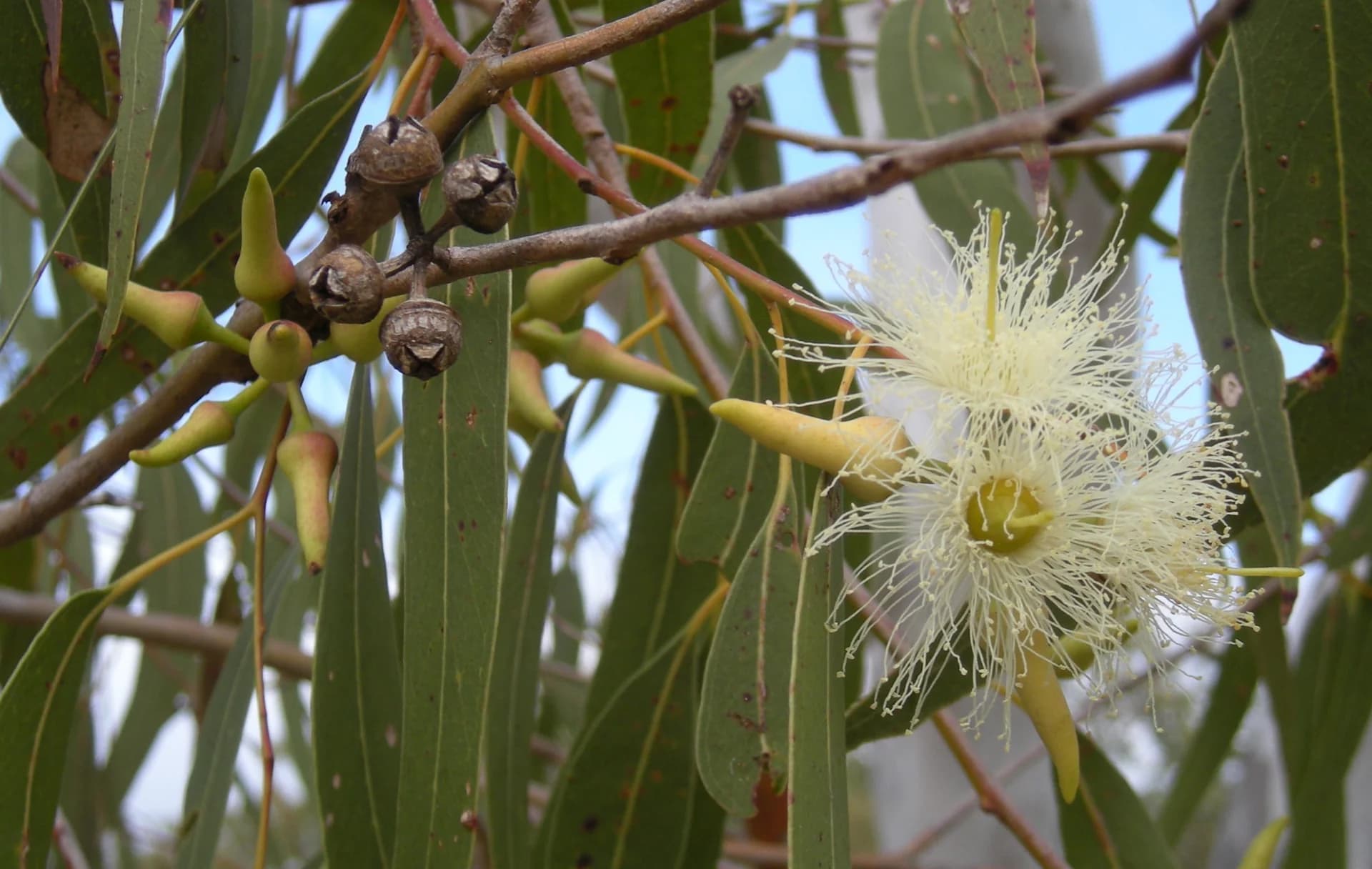
Not all trees are equal when it comes to root damage. Some species are notorious for aggressive root systems in Perth conditions.
High-risk trees for root damage:
Extremely high risk: - Ficus (Fig trees) - most aggressive - Weeping Willow - extensive water-seeking roots - Poplar - fast-growing, invasive roots - Silver Birch - shallow, spreading roots
High risk: - Eucalyptus species (especially River Red Gum) - Liquidambar (Sweet Gum) - Ash trees - Bottlebrush (large varieties) - Peppermint trees
Moderate risk: - Jacaranda - Norfolk Island Pine - Lemon Scented Gum - Most fruit trees
Lower risk trees: - Most palms (less aggressive roots) - Crepe Myrtle - Ornamental pears - Hakea species - Most small native shrubs
Important: Even lower-risk trees can cause damage if planted too close to structures or in unsuitable conditions.
Safe Planting Distances from Structures
Proper spacing prevents most root damage issues. These guidelines are for Perth conditions with our soil types.
Minimum safe distances from buildings:
| Tree Mature Height | Distance from Building |
|---|---|
| Under 5m | 3m minimum |
| 5-10m | 5m minimum |
| 10-15m | 8m minimum |
| 15-20m | 10m minimum |
| Over 20m | 15m+ minimum |
Special considerations:
For reactive clay soils (common in Perth): - Add 50% to minimum distances - Trees over 10m should be 12m+ from buildings - Consider soil type in your specific area
From underground pipes: - Sewer lines: 3m minimum (5m+ for aggressive species) - Water mains: 2m minimum - Stormwater drains: 3m minimum
From driveways and paths: - Large trees: 4m minimum - Medium trees: 2-3m - Small trees: 1.5-2m
Solutions That Don't Require Tree Removal
Tree removal isn't always necessary for root problems. Several options can manage or prevent damage while keeping the tree.
Root barrier installation: - Physical barriers redirect root growth - Best installed when trees are young - Can be retrofitted in some situations - Typically 600-900mm deep - Made from HDPE or similar materials
Root pruning: - Selective cutting of problem roots - Must be done by qualified arborists - Never remove more than 20-25% of root system - Can destabilize trees if done incorrectly - Best for specific isolated problems
Pipe relining: - Modern solution for root-invaded pipes - Creates new pipe inside old one - Roots can't re-enter - No excavation required - Cost-effective for extensive damage
Foundation underpinning: - Strengthens existing foundation - Allows tree retention - Expensive but permanent solution - Required for severe settlement
Irrigation management: - Deep watering away from structures - Reduces root-seeking behavior - Maintains soil moisture levels - Particularly important in Perth's dry climate
When Tree Removal Is the Best Solution
Sometimes removal is the most practical or only option for serious root damage situations.
Clear indicators for removal:
Structural safety: - Tree has caused severe foundation damage - Continued growth will worsen existing damage - Root system has been compromised by pruning - Tree is structurally unstable due to root damage
Economic factors: - Repair costs exceed tree value - Ongoing damage prevention is impractical - Tree prevents necessary repairs - Insurance requirements
Unsuitable location: - Wrong species for the space - Planted too close to structures - Impossible to maintain safe distances - Conflicts with essential infrastructure
Failed alternatives: - Root barriers have failed - Root pruning hasn't resolved issue - Tree health declining after root work - Damage continues despite interventions
Before removing any tree in Perth, check council requirements. Many local governments require approval for removing significant trees, even on private property.
Getting a Professional Root Damage Assessment
Professional assessment is crucial for making informed decisions about root damage.
What a qualified arborist assessment includes:
Visual inspection: - Tree species and size evaluation - Proximity to structures - Visible root problems - Soil type analysis - Overall tree health
Structural assessment: - Foundation crack patterns - Settlement evidence - Drainage issues - Pavement damage extent
Root investigation: - Root location mapping - Growth pattern analysis - Soil moisture testing - Root zone evaluation
Technology-assisted inspection: - CCTV drain inspection - Ground-penetrating radar - Soil moisture monitoring - Thermal imaging for leak detection
Comprehensive report should include: - Current damage assessment - Future risk evaluation - Solution options with pros/cons - Cost estimates - Council approval requirements - Timeline recommendations
For pipe damage, combine arborist assessment with professional plumber's CCTV inspection to confirm root invasion before major decisions.
Preventing Root Damage with New Plantings
Prevention is far cheaper than repair. Smart planning when planting new trees prevents future problems.
Best practices for Perth properties:
Choose appropriate species: - Research mature size and root behavior - Select trees suited to available space - Avoid high-risk species near structures - Consider dwarf or compact varieties - Consult with qualified arborists
Proper placement: - Follow safe distance guidelines - Consider underground utilities - Map existing pipes and services - Account for future growth - Think about neighboring properties
Install root barriers from planting: - Much easier during planting - Direct roots away from structures - Protect pipes and foundations - Cost-effective prevention
Soil and drainage management: - Improve soil before planting - Ensure proper drainage - Avoid creating moisture differentials - Mulch appropriately
For Perth's climate: - Select drought-tolerant species - Reduces aggressive water-seeking - Better suited to our conditions - Less likely to stress foundations
Conclusion
Tree root damage is a significant concern for Perth homeowners, but it's manageable with knowledge and proactive planning. Early detection is key—regular inspection of your property can identify problems before they become serious. While tree removal is sometimes necessary, many situations can be resolved with less invasive solutions like root barriers, selective pruning, or pipe relining. For new plantings, choosing appropriate species and following safe distance guidelines prevents future problems. If you notice signs of root damage, consult a qualified arborist immediately. Professional assessment ensures you choose the most cost-effective solution while protecting both your property and valuable trees. Our certified arborists can evaluate your situation and provide expert recommendations tailored to Perth's unique conditions.
Need Professional Tree Advice?
Our certified arborists are here to help with assessments, quotes, and expert tree care.
Call 0400 000 000Our Tree Services
Helpful Resources
Learn more about tree care and regulations from these trusted sources: