Table of Contents
Tree lopping and tree pruning are often confused, but they are very different practices with different outcomes. Understanding the difference helps you make informed decisions about your trees and avoid costly mistakes. Here is what Perth homeowners need to know.
Tree Pruning: The Professional Approach
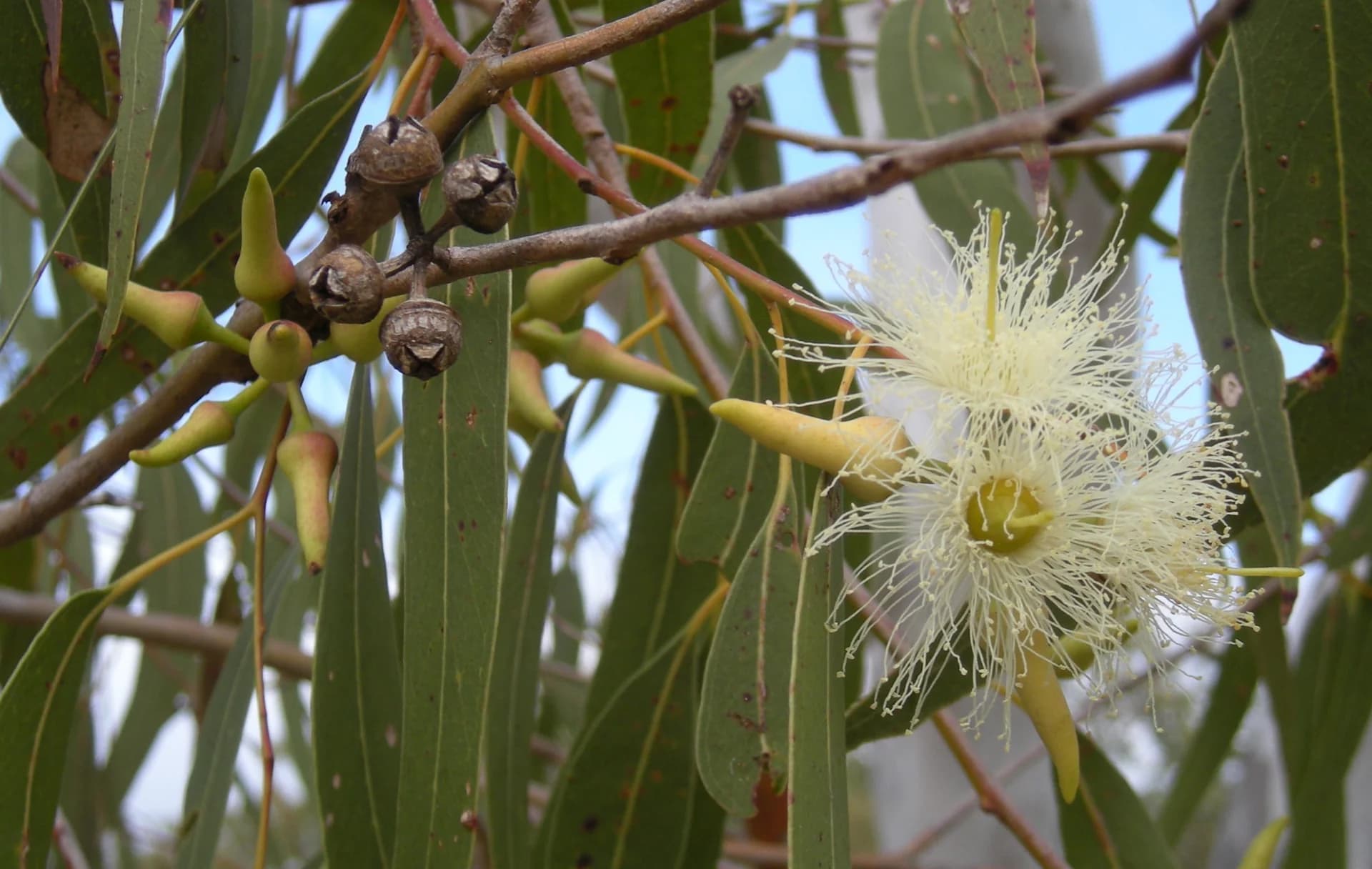
Tree pruning is the selective removal of specific branches using proper arboricultural techniques. It follows established standards and considers tree biology.
Characteristics of proper pruning: - Selective removal of specific branches - Cuts made at correct locations (branch collar) - Maintains tree structure and health - Follows Australian Standard AS 4373 - Considers tree biology and growth patterns - Preserves natural tree shape - Promotes healthy regrowth
Types of pruning: - Crown cleaning: Removing dead, diseased, or damaged branches - Crown thinning: Selective removal to improve light and air - Crown reduction: Reducing height while maintaining shape - Crown lifting: Removing lower branches for clearance - Formative pruning: Shaping young trees
Pruning benefits: - Maintains tree health - Improves structure and safety - Encourages proper growth - Extends tree lifespan - Enhances appearance
Tree Lopping: Why Arborists Avoid It
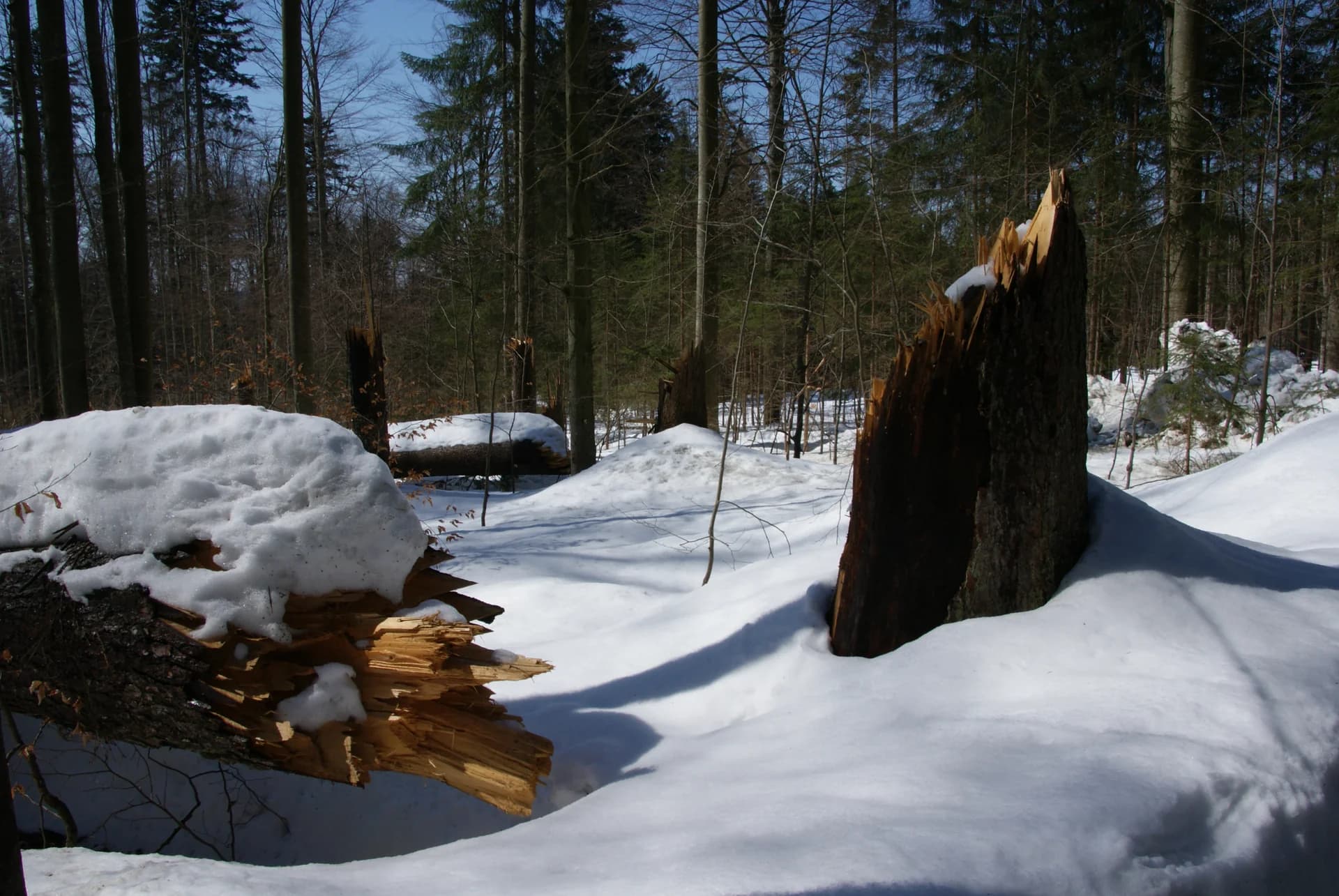
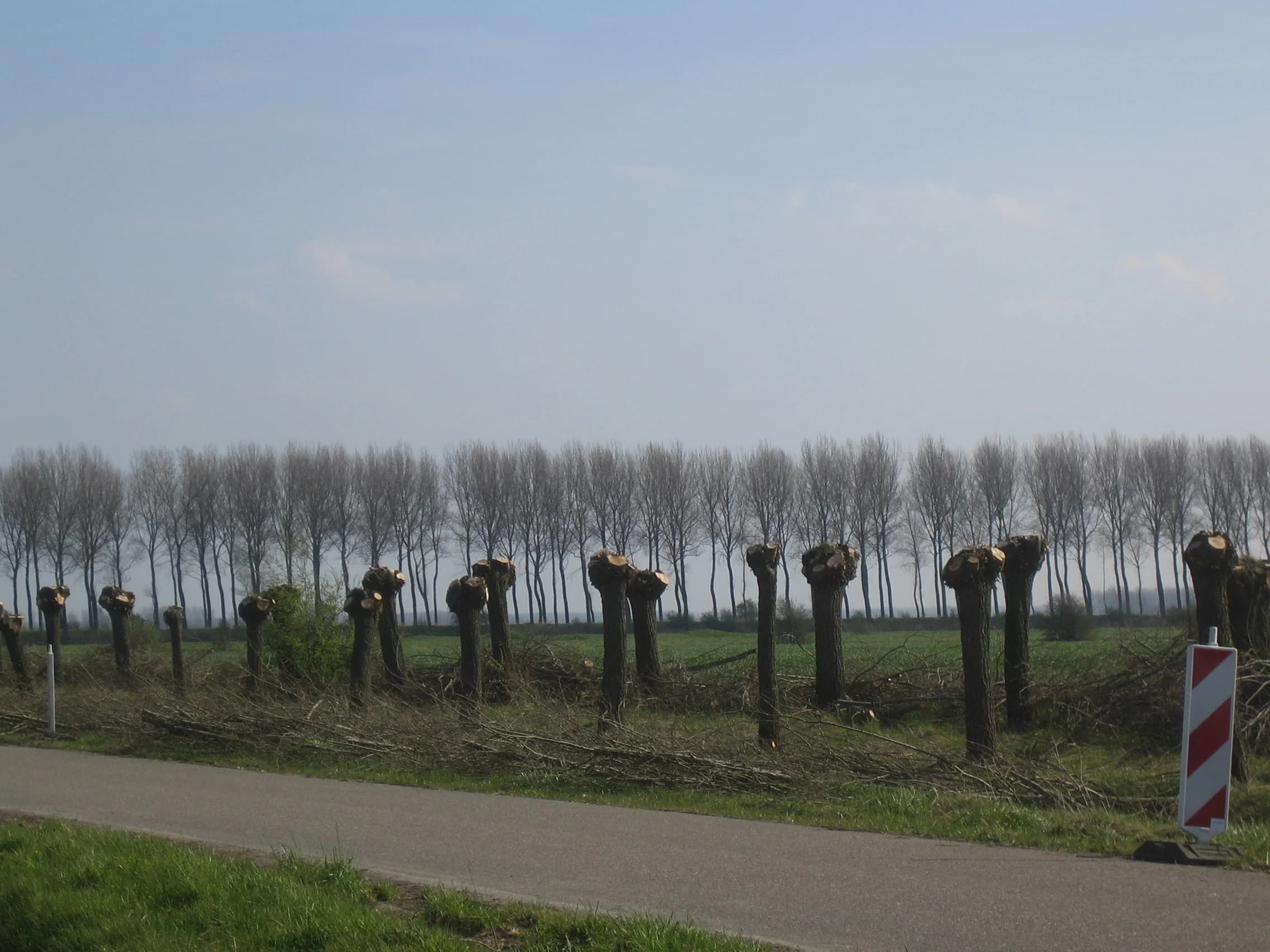
Tree lopping is the indiscriminate cutting of branches or stems without regard for tree biology. It is often called topping, heading, or hat-racking.
Characteristics of lopping: - Removing large portions of the crown - Cutting branches to stubs or lateral branches too small to assume terminal role - Making cuts between branch nodes - Severe reduction without regard for tree structure - Often done for convenience rather than tree health
Why lopping is harmful:
Decay and disease: Large stub cuts cannot heal properly. The exposed wood decays, allowing fungi and pests to enter. This decay spreads into the trunk.
Weak regrowth: Lopped trees produce water shoots (epicormic growth) that are weakly attached. These can break off in storms, creating hazards.
Increased maintenance: The vigorous regrowth requires frequent re-cutting. You end up spending more money over time.
Reduced lifespan: Lopping significantly shortens tree life. Stressed trees are more susceptible to pests and diseases.
Ugliness: Lopped trees look butchered. The natural form is destroyed and never fully recovers.
Which Service Do You Actually Need?
You need PRUNING when: - Dead or damaged branches need removal - Branches are rubbing or crossing - Crown is too dense (blocking light/air) - Clearance is needed (paths, buildings, power lines) - Young tree needs shaping - Tree has structural problems - Regular maintenance is due
You might be considering lopping because: - Tree is too big (consider proper reduction or removal) - Blocking views (pruning can help selectively) - Dropping too many leaves (normal, live with it or remove tree) - Fear of tree falling (get arborist assessment) - Neighbour complaints (there are better solutions)
When removal is better than lopping: If a tree is genuinely too large for its location, removal and replacement is often better than severe lopping. A properly sized replacement tree will look better and require less ongoing maintenance than a butchered large tree.
The right solution: Instead of lopping, consider: - Crown reduction pruning (maintains form, reduces size properly) - Crown thinning (reduces density without changing size) - Complete removal and replacement - Learning to live with the tree as is
Cost: Pruning vs Lopping
Upfront costs:
Lopping often appears cheaper initially: - Lopping quote: $300-$600 - Proper pruning quote: $400-$1,000
Long-term costs:
But lopping costs more over time:
Year 1-3: - Lopped tree: Vigorous regrowth requires re-cutting ($300+ per visit) - Pruned tree: Controlled growth, may not need work for 3-5 years
Year 5-10: - Lopped tree: Decay problems emerge, structural issues, pest problems - Pruned tree: Continues healthy growth with occasional maintenance
Year 10+: - Lopped tree: Often requires removal due to decline ($2,000+) - Pruned tree: May live for decades with good care
Total cost over 10 years: - Lopping approach: $3,000-$5,000+ (multiple cuts + eventual removal) - Pruning approach: $1,500-$2,500 (2-3 quality prunes)
Hidden costs of lopping: - Property damage from weak branch failures - Increased insurance premiums - Reduced property value from ugly trees - Tree removal when decline becomes irreversible
Finding a Qualified Arborist
How to avoid getting your trees lopped:
Look for: - Qualified arborist (Cert III minimum) - Mentions Australian Standard AS 4373 - Discusses tree health and structure - Provides detailed quote specifying work - Happy to explain their approach - Has insurance and references
Red flags: - Offers to top or lop trees - Cannot explain why specific cuts are needed - Quotes by the hour without assessment - Uses terms like hat-racking or heading - Cannot provide qualifications - Significantly cheaper than other quotes
Questions to ask: 1. Are you a qualified arborist? 2. Will the work comply with AS 4373? 3. What type of pruning do you recommend? 4. Where specifically will cuts be made? 5. How will this affect the tree long-term?
Our approach:
We only perform proper pruning techniques that maintain tree health and comply with Australian Standards. We will never recommend lopping. If a tree truly needs severe size reduction, we will honestly advise whether removal and replacement makes more sense.
Contact us for a professional tree assessment and proper pruning quote.
Conclusion
Pruning maintains tree health and beauty. Lopping destroys both. Always choose qualified arborists who follow proper pruning standards. Your trees will thank you with decades of healthy growth.
Need Professional Tree Advice?
Our certified arborists are here to help with assessments, quotes, and expert tree care.
Call 0400 000 000Our Tree Services
Helpful Resources
Learn more about tree care and regulations from these trusted sources: