Table of Contents
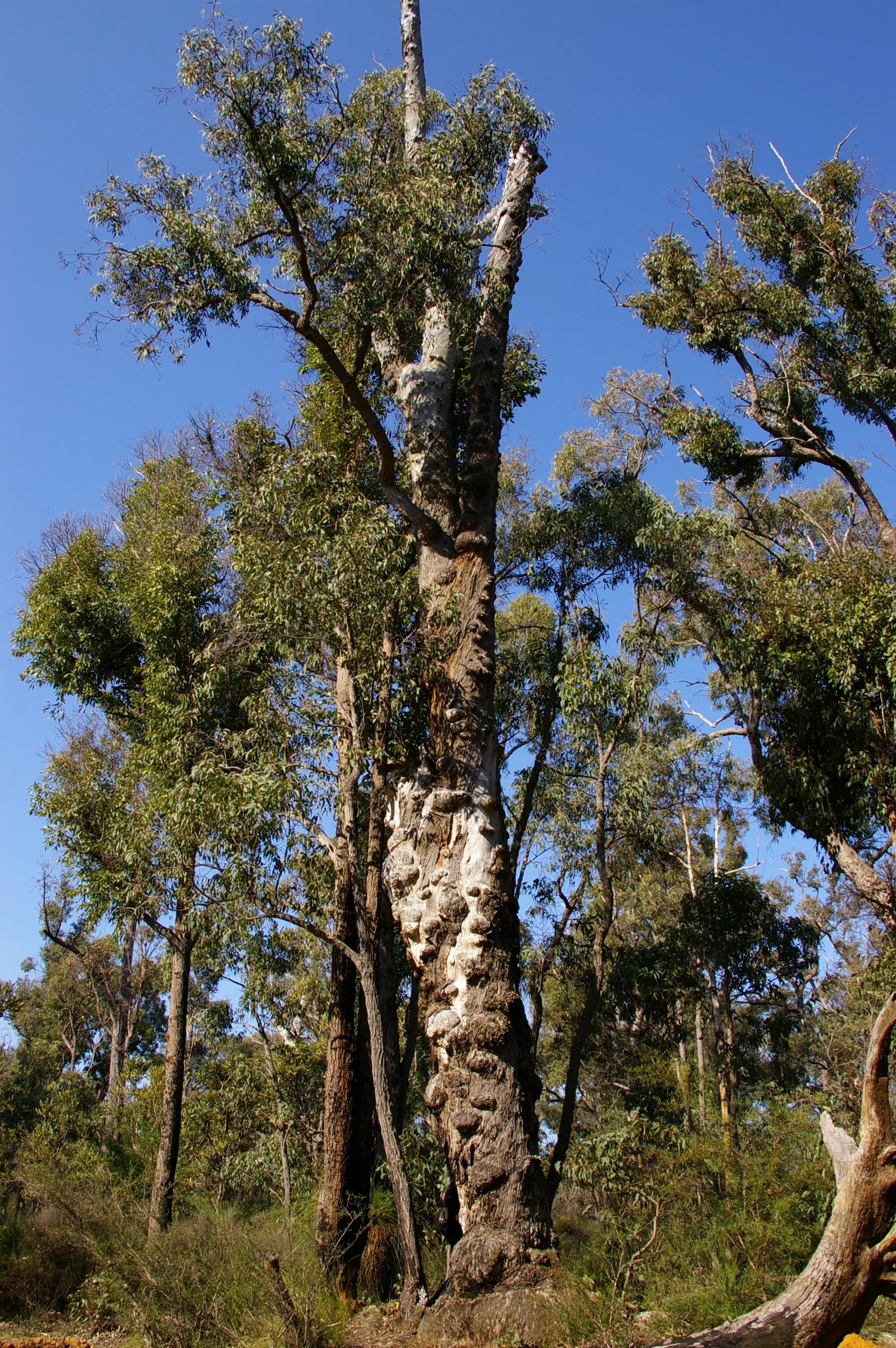
Perth's native trees are environmental treasures that support local wildlife, improve air quality, and connect us to Western Australia's unique natural heritage. However, not every native tree belongs in every location. Understanding which native trees add value to your property and when removal is appropriate requires balancing environmental conservation with practical safety concerns. This guide helps Perth homeowners make informed decisions about their native trees.
The Value of Native Perth Trees
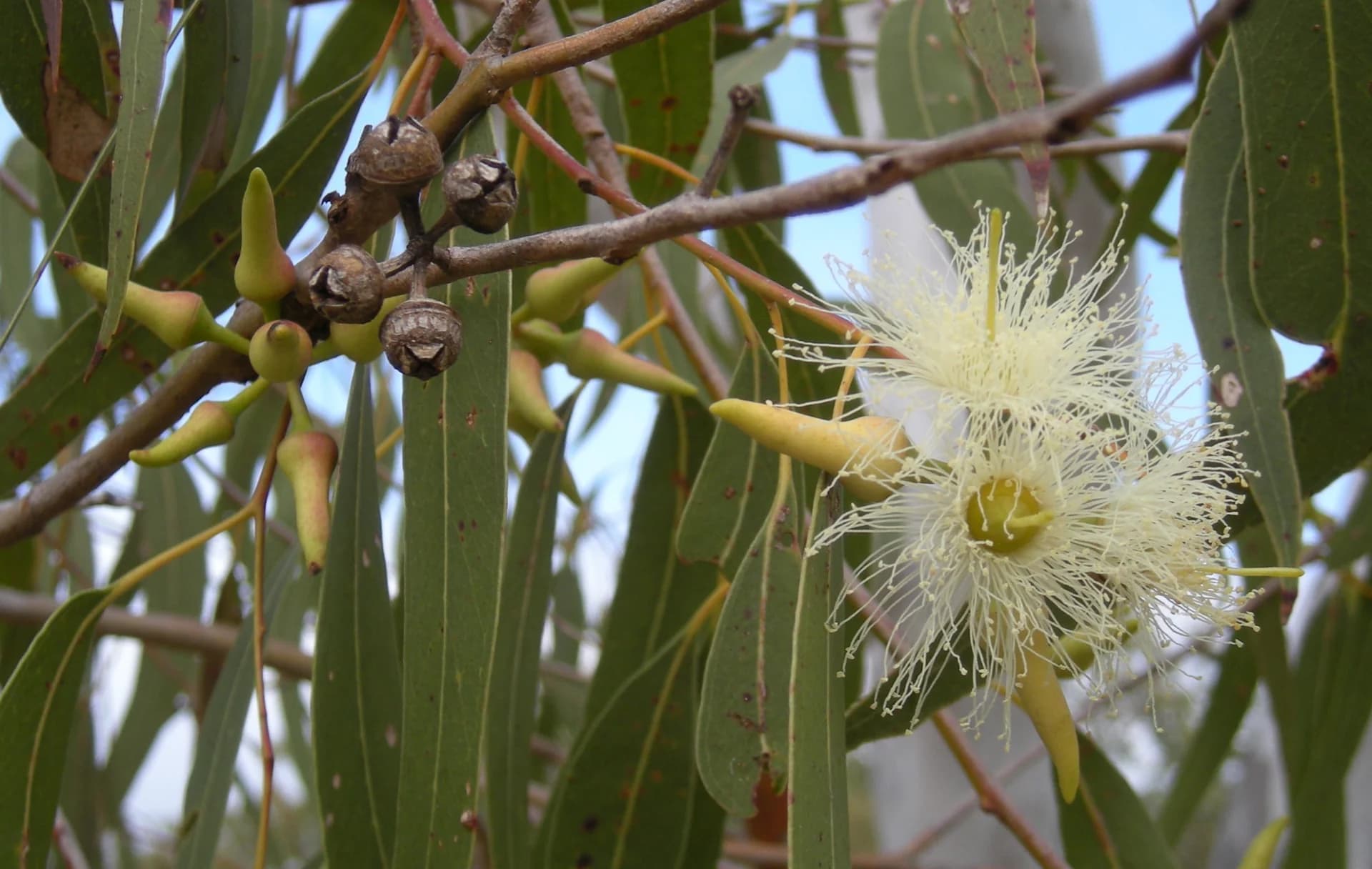
Native trees provide irreplaceable benefits to Perth's urban environment and should be preserved whenever possible.
Environmental benefits:
Wildlife habitat: - Food source for native birds (especially parrots and cockatoos) - Nesting sites for possums, birds, and insects - Nectar for bees and other pollinators - Critical corridors connecting habitat fragments - Support for endangered species
Climate benefits: - Superior shade and cooling in Perth's heat - Carbon storage and air purification - Reduce urban heat island effect - Adapted to local climate extremes - Require less water than exotic species
Soil and water benefits: - Deep roots prevent erosion - Improve soil structure - Filter stormwater - Maintain groundwater levels - Adapted to Perth's sandy and clay soils
Property value: - Established natives increase property appeal - Character and aesthetic value - Lower maintenance than exotic species - Heritage and cultural significance
Protected Native Species in Perth
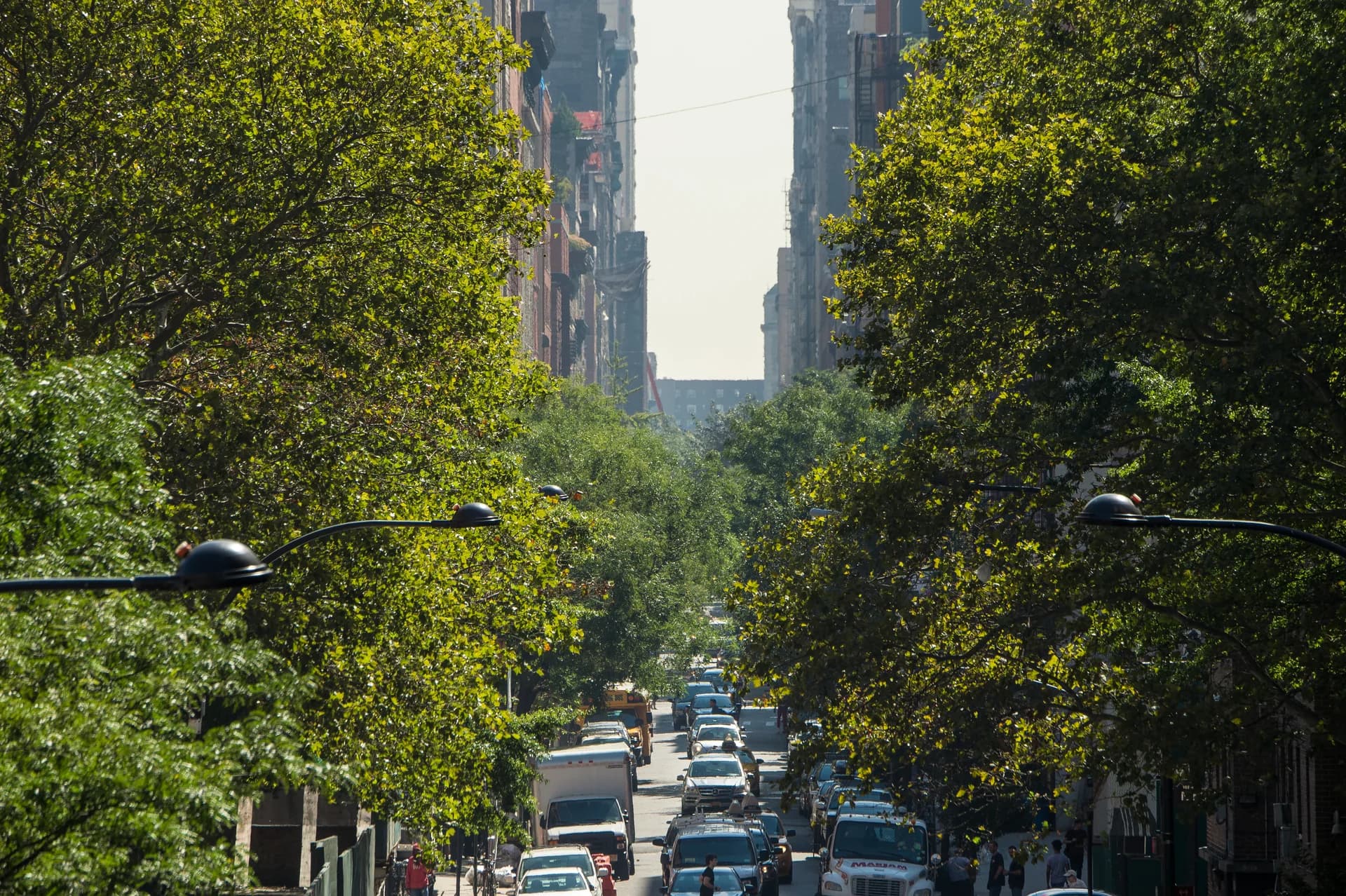
Many Perth native trees have legal protection and cannot be removed without council approval—sometimes not at all.
Highly protected species:
Tuart (Eucalyptus gomphocephala): - Critically endangered in the wild - Natural range limited to Perth coastal plain - Strict protection under State and local laws - Removal rarely approved unless dangerous - Penalties up to $200,000+ for illegal removal
Other frequently protected natives: - Jarrah (Eucalyptus marginata) - often protected - Marri (Corymbia calophylla) - commonly protected - Sheoak species - protected in some areas - Banksia species - protected as significant trees - Ancient trees of any species (typically 100+ years)
Council-specific protections: Each Perth council has different tree preservation orders. Common criteria: - Trees over certain trunk diameter (often 40cm+) - Trees in environmentally sensitive areas - Trees of heritage or cultural significance - Trees in local biodiversity corridors
Before removing any native tree, check your local council's Tree Preservation Order and Natural Area mapping. Illegal removal can result in massive fines and orders to replant.
Native Trees Worth Keeping
These native species typically add value to Perth properties and should be retained when healthy and safely located.
Excellent natives for urban Perth:
Jarrah (Eucalyptus marginata): - Moderate growth rate - Excellent shade tree - Attracts native wildlife - Long-lived (500+ years) - Cultural significance - Keep if: Healthy, well-placed, structurally sound
Marri (Corymbia calophylla): - Beautiful flowering tree - Critical food source for black cockatoos - Distinctive large gumnuts - Drought tolerant - Keep if: Away from structures (branch drop risk), healthy, space for mature size
Peppermint trees (Agonis flexuosa): - Beautiful weeping form - Moderate size (10-15m) - Responds well to pruning - Coastal wind tolerant - Keep if: Well-maintained, not causing foundation issues
Banksia species (especially Firewood Banksia): - Spectacular flowers - Excellent bird attractant - Moderate size - Iconic WA species - Keep if: Healthy and in suitable location
Tuart (where established): - Majestic large tree - Legally protected - Rare and significant - Keep unless extremely dangerous
Smaller natives always worth keeping: - Hakea species - Acacia species (wattles) - Callistemon (bottlebrush - smaller varieties) - Native shrubs and understory
Native Trees That Can Be Problematic
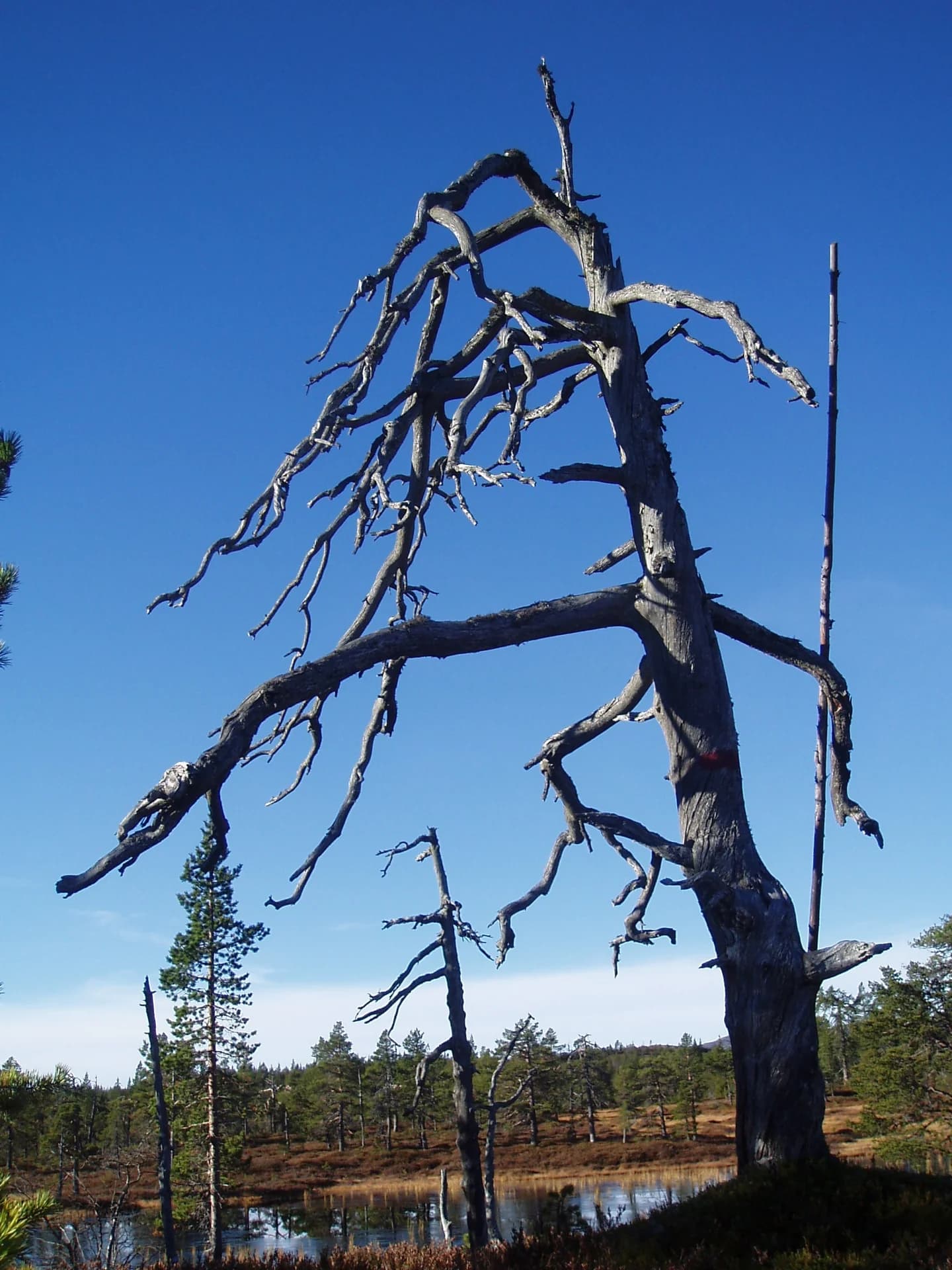
Some native species, while environmentally valuable, can cause problems in urban settings. These may be candidates for removal depending on location.
Natives requiring careful consideration:
River Red Gum (Eucalyptus camaldulensis): - Extremely large (40m+) - Aggressive water-seeking roots - Regular large branch drop - Suitable for: Large properties, parks, far from structures - Consider removal: Near houses, over driveways, small yards
Flooded Gum (Eucalyptus rudis): - Very large (20-30m) - Messy branch drop - Extensive root system - Water-seeking in Perth's climate - Suitable for: Waterfront properties, large lots - Consider removal: Residential blocks, near foundations
Swamp Paperbark (Melaleuca rhaphiophylla): - Can become very large - Aggressive roots seeking water - Often planted inappropriately in small yards - Suitable for: Wetland areas, large properties - Consider removal: Small yards, near pipes
Marri in high-risk locations: - While valuable, Marri drops branches - Particularly dangerous over entertaining areas - Large gumnuts are projectiles - Consider removal: Directly over houses, pools, or high-traffic areas
Large old Tuarts with structural issues: - Even protected trees may need removal if dangerous - Requires council approval and arborist reports - Removal only when public safety risk demonstrated
How to Assess Your Native Tree
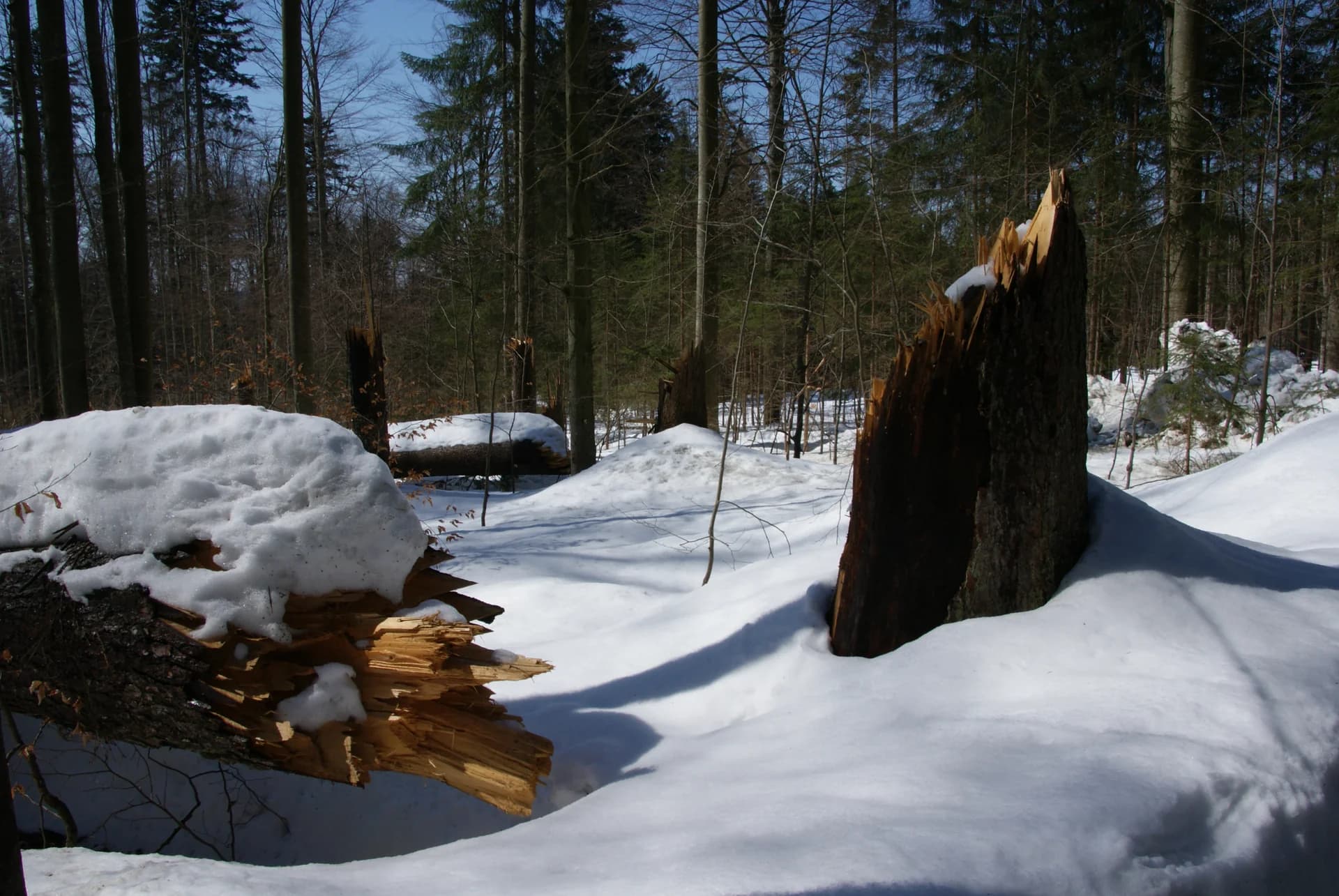
Use this framework to evaluate whether your native tree should stay or go.
Keep the tree if:
Health and structure: - Tree is healthy with good canopy - No significant structural defects - No serious disease or pest issues - Regular maintenance keeps it safe
Location: - Adequate space for mature size - Safe distance from structures (10m+ for large trees) - Not interfering with essential infrastructure - Not causing or threatening foundation damage
Value: - Protected or significant species - Mature and irreplaceable - Significant wildlife value - Heritage or cultural importance - Adds property value
Consider removal if:
Safety concerns: - Structural defects that can't be remedied - History of large branch failure - Root failure or severe lean - Advanced disease with no treatment - Dangerous location with no alternative
Damage issues: - Causing active foundation damage - Roots blocking sewer lines - Impossible to maintain at safe size - Wrong species for the location
Legal/practical: - Preventing essential building work - Insurance requirements for removal - Required for development approval - Creating genuine safety hazard
Navigating Council Approval for Native Tree Removal
Removing native trees in Perth almost always requires council approval. Understanding the process helps ensure compliance.
Typical approval process:
Step 1: Determine if approval needed - Check council's Tree Preservation Order - Measure trunk diameter at 1m height - Identify species (some always protected) - Check property zoning and overlays
Step 2: Gather required documentation - Qualified arborist report (usually required) - Site plans showing tree location - Photos of tree and surrounding area - Reason for removal request - Replacement planting proposal (often required)
Step 3: Submit application - Complete council application form - Pay application fee ($100-$500 typical) - Allow 4-8 weeks for assessment - May require public advertising
Step 4: Respond to requests - Council may request additional information - May require alternative solutions first - May approve with conditions
Common approval conditions: - Replacement planting requirements (often 2-5 trees) - Specific native species to be planted - Minimum size of replacement trees - Ongoing maintenance requirements - Timing restrictions (avoid bird nesting season)
What strengthens applications: - Professional arborist reports - Evidence of genuine safety risk - Documentation of damage - Photos and structural engineering reports - Demonstrated attempts at alternatives
Alternatives to Removing Native Trees
Before removing a native tree, explore all alternatives. Councils and environmental values favor tree retention.
Viable alternatives:
Crown reduction: - Reduce tree height and spread by 20-30% - Maintains tree while reducing risk - Must be done by qualified arborist - Suitable for managing size in tight spaces - Repeat every 3-5 years
Structural pruning: - Remove defective or dangerous limbs - Improve tree structure and balance - Reduce specific risks while keeping tree - Address branch drop concerns
Root barrier installation: - Prevents future root damage - Can be retrofitted around existing trees - Protects foundations and pipes - Allows tree retention
Crown elevation: - Remove lower branches - Improves clearance over buildings or paths - Maintains tree presence - Reduces bushfire risk
Engineering solutions: - Foundation underpinning - Pipe relining for root-invaded drains - Retaining walls to manage root pressure - Allows valuable tree retention
Ongoing management: - Regular professional inspections - Preventive pruning schedule - Monitor for issues - Document tree care for council
Present alternatives to council in your application—it demonstrates good faith and increases approval likelihood if removal proves necessary.
Replacement Planting After Native Tree Removal
If you do remove a native tree, replanting natives is usually required and always environmentally responsible.
Choosing replacement natives:
For small to medium gardens (under 500m²): - Peppermint (Agonis flexuosa) - 10-15m - Dwarf Jarrah cultivars - 8-12m - Firewood Banksia (Banksia menziesii) - 5-8m - Acacia species (wattles) - 4-8m - Hakea species - 3-6m - Native bottlebrush (smaller varieties) - 3-5m
For larger properties: - Jarrah (if council approved) - Marri (in suitable locations) - Sheoak species - Tuart (if in natural range and approved) - Native she-oaks
Planting best practices: - Plant in autumn (April-May) for Perth - Choose local provenance where possible - Follow safe distance guidelines - Consider mature size - Water establishment period only - Mulch with native mulch - No phosphorus fertilizers
Typical council requirements: - Replace 1 removed tree with 2-5 new trees - Must be native species - Minimum size at planting (often 1.5m+) - Survival guarantee period (usually 12 months) - Report compliance to council
Create habitat value: - Plant multiple species for diversity - Include understory plants - Create wildlife corridors - Use plants that flower/fruit at different times
Conclusion
Perth's native trees are precious assets that deserve protection and thoughtful management. The default position should always be to retain healthy native trees, especially protected species like Tuart, Jarrah, and Marri. However, when native trees pose genuine safety risks, cause significant property damage, or are inappropriately located, removal may be the responsible choice. Always obtain proper council approval before removing native trees—penalties for illegal removal are severe and enforcement is increasing. Before deciding on removal, consult a qualified arborist who understands both tree management and Perth's environmental values. We can assess your native trees, explore all alternatives, assist with council applications, and ensure any necessary removal is conducted legally and responsibly. When removal is approved, thoughtful replacement planting can maintain your property's environmental contribution and continue supporting Perth's unique urban ecosystem.
Need Professional Tree Advice?
Our certified arborists are here to help with assessments, quotes, and expert tree care.
Call 0400 000 000Our Tree Services
Helpful Resources
Learn more about tree care and regulations from these trusted sources: