Table of Contents
Before removing any tree in Perth, you need to understand local council regulations. Tree protection rules vary between councils, and removing a protected tree without approval can result in significant fines. Here is what Perth homeowners need to know about council approval for tree removal.
General Tree Protection Rules in Perth
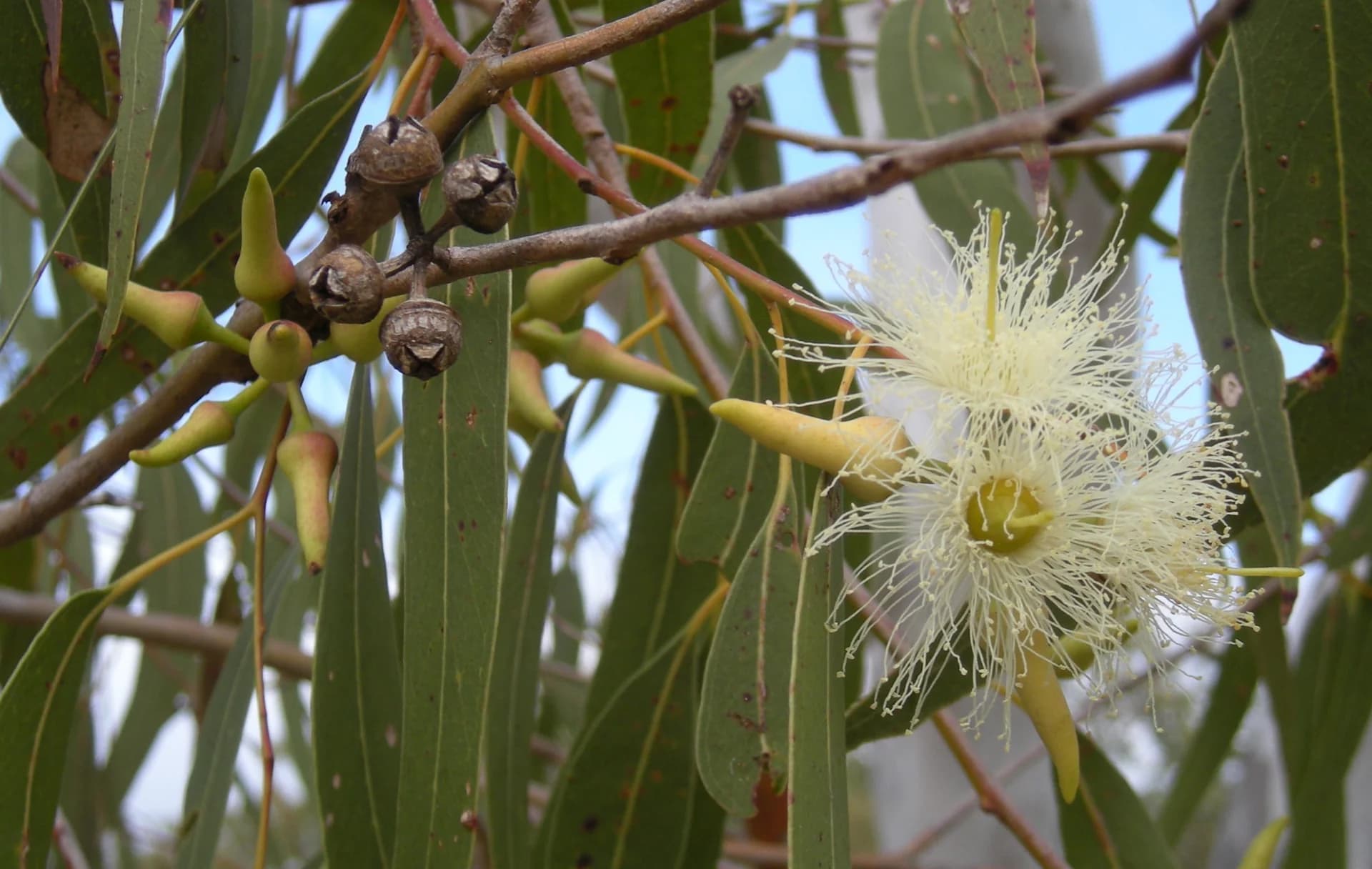
Most Perth councils protect trees that meet certain criteria:
Common protection thresholds: - Trunk diameter over 300mm (measured at 1m height) - Height over 4-6 metres - Canopy spread over 4-5 metres - Any native species above certain size - Any tree listed as significant
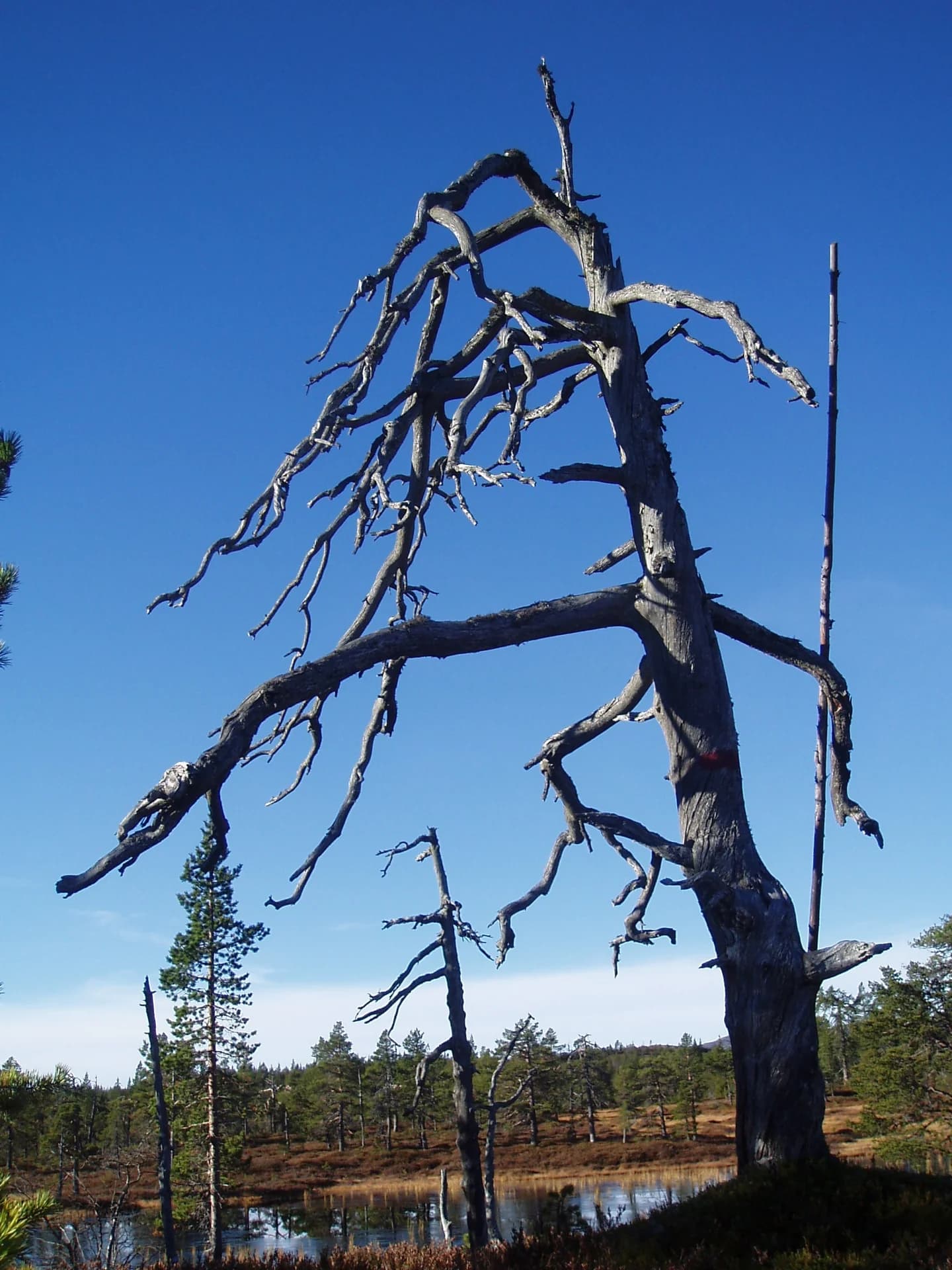
Trees typically NOT protected: - Small trees below size thresholds - Dead trees (usually, but check first) - Declared pest species - Trees within building envelope of approved development - Emergency situations (dangerous trees)
Important: Each council has different rules. The City of Stirling has different requirements than the City of Joondalup or City of Cockburn. Always check your specific council.
Native vs exotic: Many councils have stricter protections for native species. A Marri or Jarrah may require approval even at smaller sizes than an introduced species.
Tree Rules by Perth Council Area
Here is a summary of common Perth council tree requirements:
City of Stirling: - Trees over 4m tall need approval - All native trees protected - Fines up to $5,000
City of Joondalup: - Trees over 3m need approval in certain zones - Significant Tree Register protections - Must plant replacement trees in some cases
City of Wanneroo: - Trees over 500mm trunk diameter protected - Native vegetation protections - Refer to Local Planning Scheme
City of Cockburn: - Trees on Urban Tree Register protected - Native trees require assessment - Coastal areas have additional restrictions
City of Fremantle: - Significant Tree Register - Heritage precinct restrictions - Street trees always require approval
City of Perth: - All trees in City require approval - Heritage considerations - Significant tree protections
Note: This is general guidance only. Regulations change, and each property may have specific conditions. Always verify current requirements with your council.
How to Apply for Tree Removal Approval
Typical application process:
Step 1: Check if approval needed - Measure tree size (trunk diameter, height) - Identify species if possible - Check council website or call planning department - Review any conditions on property title
Step 2: Gather information - Property details and ownership - Tree location on property (site plan) - Tree species and dimensions - Reason for removal - Arborist report (often required) - Photos of tree and surrounding area
Step 3: Submit application - Complete council tree removal application form - Attach required documents - Pay application fee ($50-$200 typically) - Submit online or in person
Step 4: Assessment - Council officer may visit property - Arborist report reviewed - Neighbours may be notified - Assessment against policy criteria
Step 5: Decision - Approval granted (possibly with conditions) - Approval denied - Request for more information
Timeframes: Simple applications: 2-4 weeks Complex applications: 4-8 weeks Appeals process: Additional months
Application fees: Typically $50-$200, some councils charge more for larger trees or commercial properties.
Valid Reasons for Tree Removal Approval
Councils typically approve removal when:
Safety hazards: - Tree is dead or dying - Structural defects pose risk - Storm damage has destabilised tree - Root damage to foundations documented - Arborist confirms hazard
Health of tree: - Significant disease or pest infestation - Damage beyond recovery - Expert opinion supports removal
Development: - Approved building development - Essential infrastructure - Cannot reasonably retain tree
Property damage: - Documented damage to structures - Root intrusion into pipes (with evidence) - Ongoing structural issues
Reasons often rejected: - Blocking views (usually not sufficient) - Leaves in pool or gutters (normal tree behaviour) - Tree too big (consider pruning instead) - Do not like the tree (not valid reason) - Neighbour complaints (not your decision alone)
Strengthening your application: - Get arborist report supporting removal - Document the problem (photos, repair quotes) - Show you have considered alternatives - Propose replacement planting
Penalties for Removing Trees Without Approval
Removing protected trees without approval is illegal and expensive:
Typical penalties: - Fines from $1,000 to $50,000+ depending on council - Requirement to plant replacement trees - Court orders for remediation - Prosecution for significant breaches - Possible imprisonment for severe cases
How councils detect illegal removal: - Neighbour reports - Aerial photography comparison - Council officer observations - Satellite imagery analysis - Complaints during development approval
Case studies: - Perth homeowner fined $15,000 for removing protected Tuart - Developer ordered to plant 100 replacement trees - Business fined $50,000 for clearing protected vegetation
If you have removed a tree illegally: - Contact council proactively - Engage arborist to assess situation - Propose remediation plan - Cooperation may reduce penalties
Poisoning trees: Illegally poisoning trees to avoid removal regulations is also an offence. Councils can require replacement planting even for poisoned trees.
How We Can Help with Council Approval
Navigating council regulations can be complex. We assist with:
Assessment: - Determine if your tree requires approval - Identify tree species and measure dimensions - Assess tree health and any hazards - Advise on likelihood of approval
Documentation: - Professional arborist reports - Site plans and photographs - Technical assessments - Supporting documentation
Application support: - Help complete application forms - Submit on your behalf (some councils) - Respond to council queries - Attend site inspections if needed
Our service includes: - Free initial assessment - Arborist reports at competitive rates - Guidance on council requirements - Honest advice on approval likelihood
If approval is denied: - We can advise on alternatives (pruning, treatment) - Support appeal processes if appropriate - Provide ongoing tree management
Contact us for help understanding whether your tree needs council approval and how to proceed with your application. We work with all Perth metro councils and understand local requirements.
Conclusion
Understanding council tree protection rules saves you from costly fines and legal issues. When in doubt, check with your council or get professional advice before removing any significant tree. We are here to help Perth homeowners navigate the process.
Need Professional Tree Advice?
Our certified arborists are here to help with assessments, quotes, and expert tree care.
Call 0400 000 000Our Tree Services
Helpful Resources
Learn more about tree care and regulations from these trusted sources: