Table of Contents
Timing matters when it comes to tree removal. While emergencies can happen any time of year, planned tree removal in Perth is best scheduled during specific seasons. Understanding the optimal timing can save you money, ensure safer removal, and benefit your garden. Here's everything you need to know about choosing the right time for tree removal in Perth.
Why Winter is the Best Season (June to August)
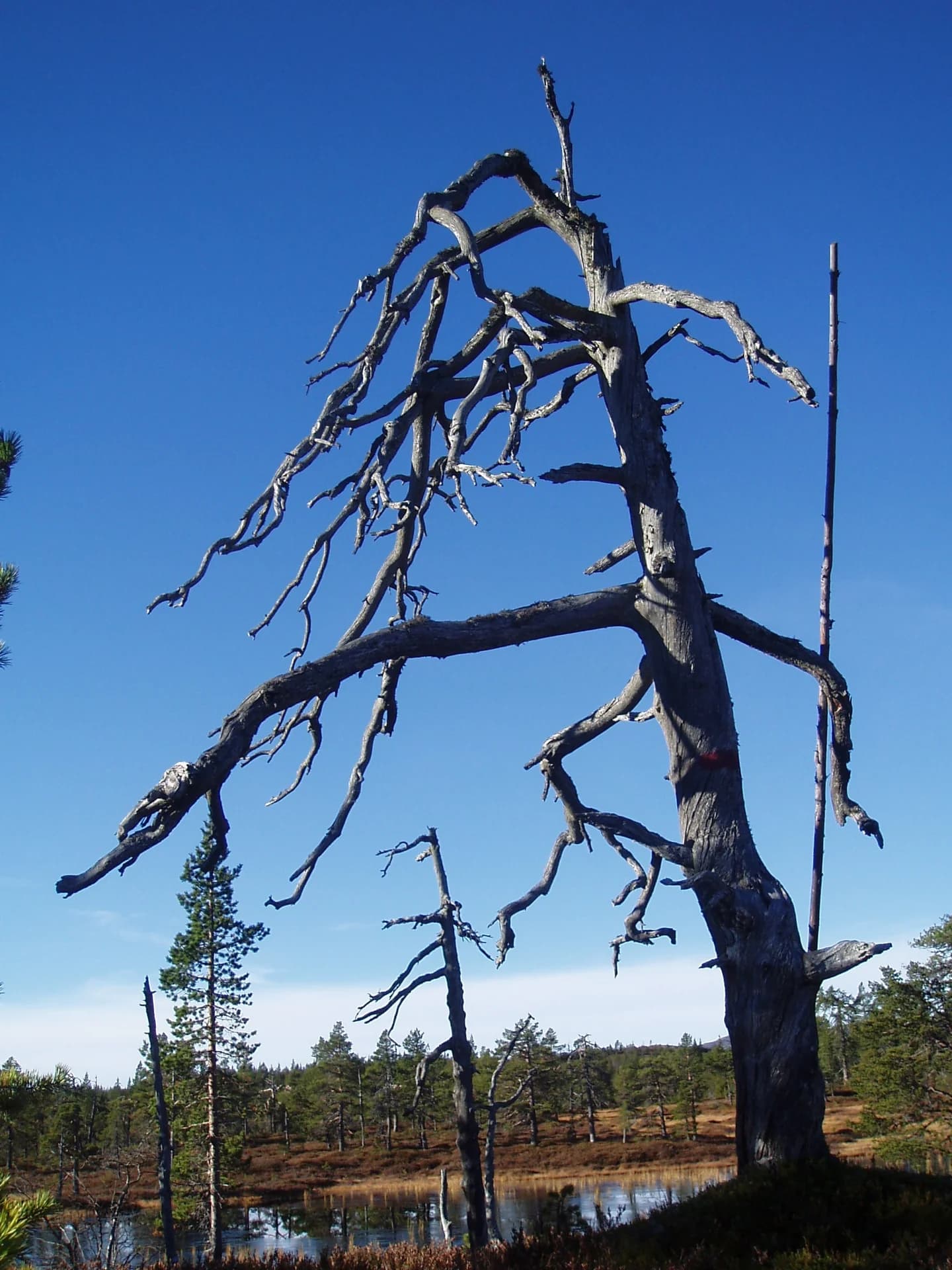
Winter is generally the optimal time for tree removal in Perth. During these cooler months, trees enter dormancy, making removal safer and less stressful for your garden.
Benefits of winter tree removal: - Trees are dormant with less sap flow - Reduced risk of disease spread - Better visibility with fewer leaves - Lower demand means better pricing - Cooler weather for arborists - Easier equipment access on firm ground - Minimal impact on surrounding plants
In Perth's mild winters, arborists can work comfortably without extreme heat, and the ground is typically firm enough for heavy equipment after the initial winter rains have passed.
Autumn as a Second Choice (March to May)
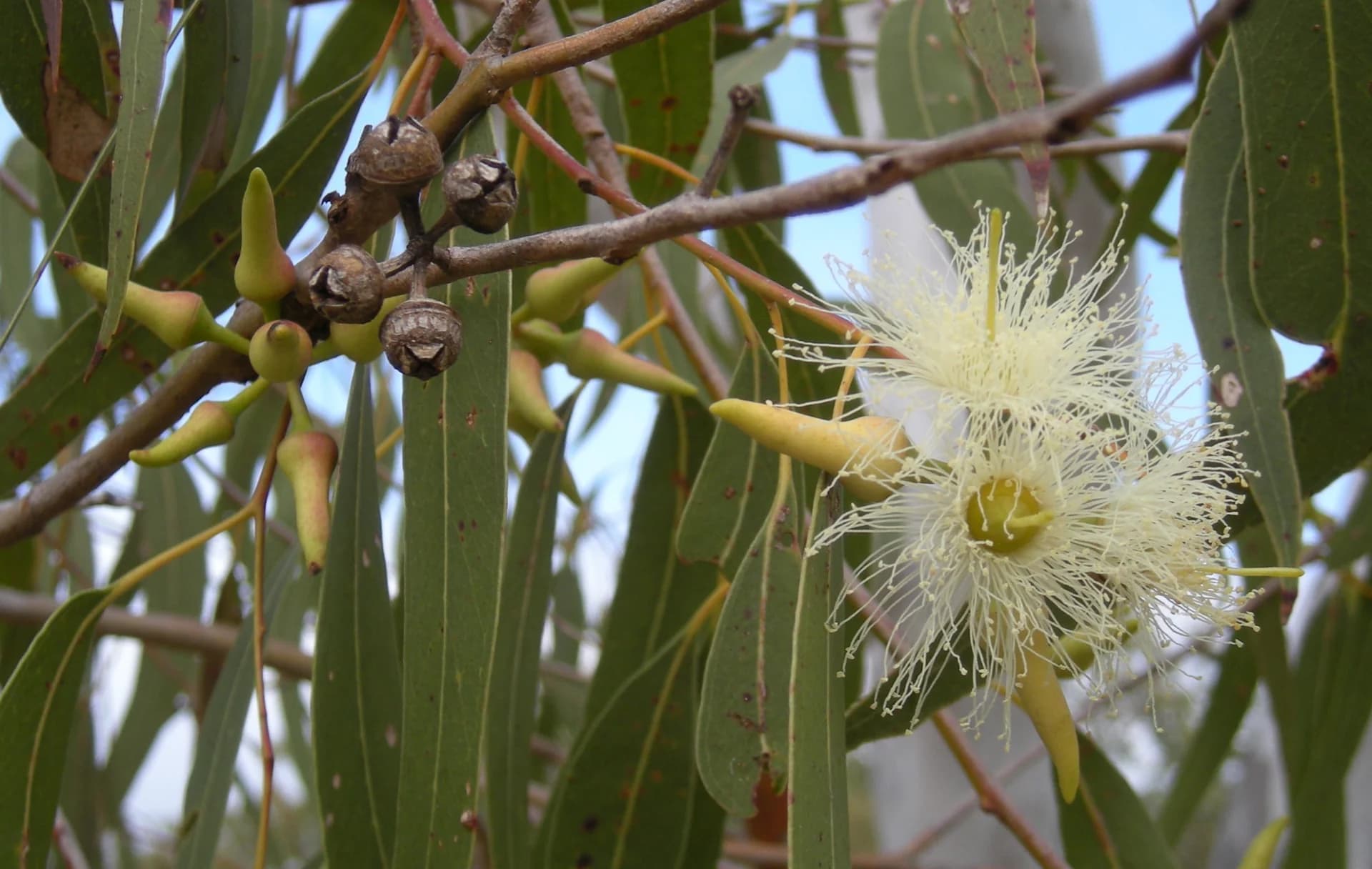
Autumn is another excellent time for tree removal in Perth. Trees begin entering dormancy, and the weather is still pleasant for outdoor work.
Advantages of autumn removal: - Trees starting to slow growth - Moderate temperatures - Less stress on surrounding landscape - Good equipment access before heavy rains - Reasonable pricing before winter demand
Considerations: - Some deciduous trees still have leaves (reduced visibility) - Approaching wet season may limit equipment access - Earlier in autumn is better than later
Spring Considerations (September to November)
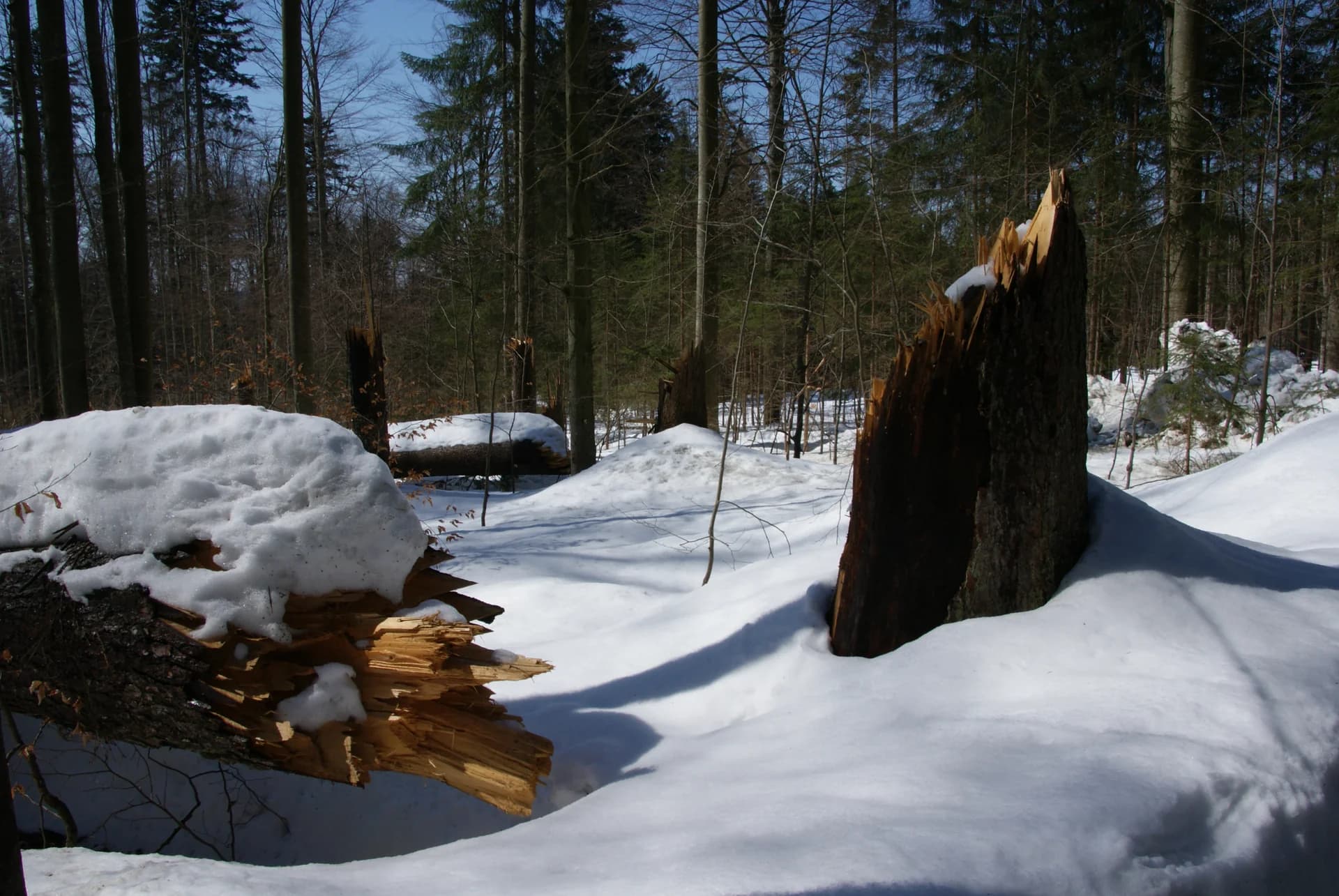
Spring tree removal has mixed benefits in Perth. While weather is pleasant, trees are actively growing, which can complicate the process.
Spring challenges: - Trees in active growth phase - Increased sap flow - Higher risk of disease transmission - More stress on surrounding plants - Birds may be nesting (legal considerations) - Increased demand raises prices
When spring removal makes sense: - Storm damage assessment after winter - Clearing before building projects - When winter slots were unavailable
Important: Check for nesting birds before any tree work. It's illegal to disturb active nests in Australia.
Summer: The Challenging Season (December to February)
Summer is generally the least ideal time for planned tree removal in Perth. The combination of heat, active growth, and fire season restrictions makes it challenging.
Summer disadvantages: - Extreme heat (safety concern for workers) - Trees at peak growth and sap flow - Total fire ban days restrict equipment use - Higher risk of disease spread - Peak demand means higher prices - Water stress visible in landscape - Difficult working conditions
Fire season restrictions: During Perth's fire ban season (typically December to March), chainsaw use may be restricted on total fire ban days. Always check current restrictions before scheduling.
When summer removal is necessary: - Emergency situations (dangerous trees) - Storm damage - Building permit requirements - Pest infestation requiring immediate action
Species-Specific Timing Recommendations
Different tree species have optimal removal times based on their biology and growth patterns.
Eucalyptus (Jarrah, Marri, Tuart): - Best: Winter (June-August) - Avoid: Late spring when flowering (food source for wildlife)
Deciduous trees (Liquidambar, Plane trees): - Best: Late autumn to winter (after leaf drop) - Benefit: Easier to see structure, less mess
Fruit trees: - Best: Winter dormancy period - Avoid: Flowering and fruiting seasons
Pines and conifers: - Best: Late autumn to early winter - Can be removed year-round if necessary
Palms: - Best: Late winter to early spring - Generally less seasonal variation
Emergency Tree Removal: When Timing Doesn't Matter
Some situations require immediate action regardless of season. Safety always takes priority over optimal timing.
Emergency removal situations: - Tree has fallen or is actively falling - Severe storm damage with imminent risk - Tree leaning dangerously toward structures - Major branch failures over high-traffic areas - Sudden root failure or soil heaving - Confirmed structural failure
Emergency services are available 24/7 for dangerous tree situations. Don't wait if a tree poses an immediate threat to people or property.
After storms: Perth's winter storms can damage trees significantly. Have any storm-affected trees assessed within days, even if they appear stable. Hidden damage can lead to delayed failure.
Council Approvals and Seasonal Timing

Council approval processes can affect your timing. Many Perth councils require permits for tree removal, and processing times vary.
Planning for approvals: - Application processing: 4-8 weeks typically - Some councils have specific assessment periods - Approvals may have expiry dates (usually 12 months) - Public consultation may be required for significant trees
Strategic timing: 1. Apply for approval in early autumn 2. Receive approval by mid-winter 3. Schedule removal for late winter 4. Complete work before spring growth
We can help with council applications and understanding local tree preservation orders.
How Seasons Affect Tree Removal Costs

Seasonal demand significantly impacts pricing for tree removal in Perth.
Typical pricing patterns:
| Season | Demand | Typical Pricing |
|---|---|---|
| Winter | Moderate-High | Standard rates |
| Autumn | Moderate | Competitive rates |
| Spring | High | Premium rates |
| Summer | Low-Moderate | Variable rates |
Ways to save on tree removal: - Book in advance during quieter periods - Be flexible with scheduling - Combine multiple tree jobs - Avoid peak spring demand - Consider late autumn bookings
Emergency callouts cost significantly more regardless of season, so addressing concerning trees during optimal times saves money.
Preparing Your Landscape for Post-Removal

The season you choose affects your replanting options and landscape recovery.
Removing in winter: - Perfect timing for replanting in spring - Soil has time to settle over winter - Can prepare site before growing season - Minimal stress on surrounding plants
Removing in spring/summer: - Replanting should wait until autumn - Stump area may need temporary treatment - Consider interim groundcover - Extra water needed for stressed plants nearby
Post-removal considerations: - Stump grinding is easier in drier months - Soil amendments best added before winter rains - Native plantings establish best in autumn - Exotic species may prefer spring planting
Conclusion
While winter remains the optimal season for planned tree removal in Perth, each season has its considerations. The best time for your specific situation depends on tree species, council requirements, budget, and landscape plans. Emergency situations override seasonal concerns—never delay removing a dangerous tree. For planned removals, booking during autumn for winter completion offers the best combination of pricing, working conditions, and environmental benefits. Our experienced arborists can assess your trees and recommend the ideal timing for safe, cost-effective removal.
Need Professional Tree Advice?
Our certified arborists are here to help with assessments, quotes, and expert tree care.
Call 0400 000 000Our Tree Services
Helpful Resources
Learn more about tree care and regulations from these trusted sources: